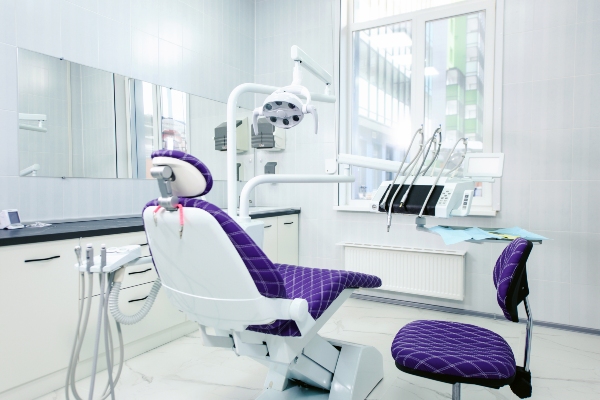
 An emergency dentist offers urgent and specialized care for unplanned dental issues, especially when severe pain or sudden trauma requires immediate attention. These situations can feel overwhelming and may raise many questions about what to expect and how to prepare. Therefore, it is good to have a list of questions to ask before arriving at the dental office to prevent your brain from going blank and ensure a smooth experience— below are five to consider.
1. Which situations qualify as dental emergencies?
It can be confusing to determine if a dental problem truly requires an emergency visit or if it can wait for a regular appointment. An emergency dentist can clarify the indicators that call for immediate action. Persistent pain that disrupts daily tasks, injuries resulting in broken or knocked-out teeth, and any signs of infection, such as swelling or fever, often necessitate urgent care. Understanding these warning signs ensures that individuals seek help promptly and reduces the risk of more extensive damage.
2. How can I manage pain or discomfort before the appointment?
Extreme discomfort may arise from broken teeth, damaged fillings, or gum issues. An emergency dentist is prepared to advise patients on pain management before treatment. For example, rinsing gently with warm salt water can help ease inflammation, and over-the-counter medications may provide temporary relief when patients use them responsibly. Further, cold compresses can lessen swelling or soreness, particularly for jaw or facial structure injuries. Clear guidance about at-home care allows patients to manage pain while waiting for professional treatment.
3. What diagnostic steps will the emergency dentist perform?
When arriving at an emergency dental appointment, patients often wonder about the diagnostic process. An emergency dentist may begin with a visual inspection and proceed with diagnostic imaging, such as X-rays, to assess damage that is not visible on the surface. This approach identifies potential nerve involvement, fractures beneath the gum line, or issues with the jawbone. Clarity on these steps helps patients understand why certain tests are necessary and how they contribute to a successful treatment plan.
4. What treatment options are available?
Emergency dental care can include various treatments, depending on the severity and type of damage. The emergency dentist may consider fillings, crowns, or extractions, along with temporary fixes, if a more complex procedure is necessary at a later time. They can provide a detailed overview of potential treatments, explaining benefits and risks while factoring in cost and recovery time. Gaining insight into the options supports informed decision-making and fosters greater peace of mind.
5. How can I prevent future dental emergencies?
Following any urgent dental procedure, it is wise to ask for recommendations on preventing similar issues. An emergency dentist can highlight strategies such as proper brushing and flossing techniques, routine exams and cleanings, or customized mouthguards for those who participate in sports or experience bruxism (teeth grinding). Paying attention to smaller concerns, such as minor toothaches or extreme sensitivity, can reduce the likelihood of unexpected emergencies. Implementing these habits creates a stronger foundation for oral health and reduces the risk of future incidents.
Consult a Everett emergency dentist
Encountering sudden dental pain or trauma can be stressful, but clear communication with an emergency dentist paves the way for prompt, effective relief. Asking the above questions and any others you may have before your appointment can provide further relief so that you may understand what to expect and what to do for your specific situation. If you are experiencing a dental emergency, do not hesitate to contact GK Dental PC and schedule an appointment.
Request an appointment or call GK Dental PC at 617-826-6075 for an appointment in our Everett office.
Related Posts
Dental emergencies can occur without warning, causing intense discomfort and requiring swift care from a qualified emergency dentist. Being prepared can alleviate anxiety and improve the effectiveness of the dental treatment. Here are 10 detailed steps to handle dental emergencies efficiently and calmly.Before rushing to an emergency dentist, it is essential to assess the severity…
An emergency dentist frequently observes patients arriving with serious dental pain or infections that develop when consistent oral care and timely checkups are overlooked. Following a few simple yet effective preventative strategies makes many urgent dental problems less likely to occur. Here are three oral hygiene tips that help protect teeth and gums, reducing the…
Traveling presents many exciting opportunities, but an unexpected dental emergency can quickly disrupt plans. Finding an emergency dentist in an unfamiliar location requires prompt action to prevent further complications. Whether experiencing severe pain, a broken tooth, or another urgent issue, knowing how to seek immediate dental care while vacationing promotes better oral health outcomes. It…