How to Care for Your Teeth With Invisalign®
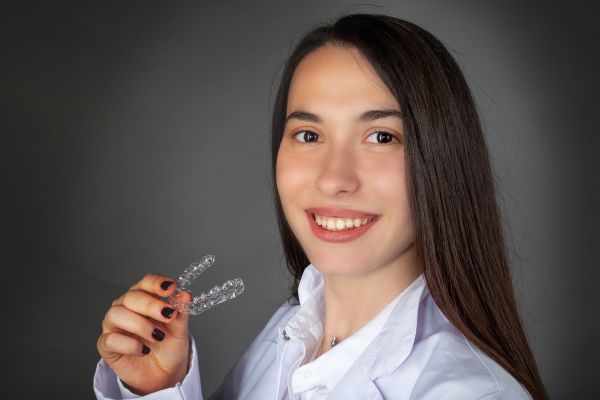
Taking care of your teeth while using Invisalign® clear aligners is important in order to make sure the treatment goes as planned. The plan itself is just one factor in ensuring that your Invisalign® treatment is a success; learning how to properly maintain and care for your teeth and aligners can make or break treatment time and effectiveness.
One of the major benefits of Invisalign® is that the clear aligners are removable. However, this also means that patients must be careful about how they treat their aligners, both in and out of the mouth. Invisalign® provides a convenient system of straightening teeth, but with it comes certain responsibilities.
Why choose Invisalign®?
Invisalign® has a great number of benefits. Busy adults who do not wish to interrupt their lifestyle tend to choose this system, as it interferes little with everyday life, while braces can throw a wrench into daily routines. With Invisalign®, patients can remove the device throughout the day at their will, taking the trays out to brush their teeth like normal, drink and eat.
With braces, patients have to adapt to a new system of cleaning around the device, not to mention also limiting their diet to softer foods and avoiding chewy foods and popcorn. Invisalign® allows patients to eat virtually whatever they want, as long as they remove the aligners beforehand.
Caring for your teeth with Invisalign®
Taking care of teeth and taking care of the clear aligners may seem like two different things, but they are deeply connected and can affect the length and effectiveness of treatment time drastically.
What to do
First, make sure to remove the tray before eating, and rinse the trays before returning them to the mouth once finished eating. This will make sure the teeth stay free of cavities and the tray stays free of bacteria and residue. Eating with Invisalign® can cause irreparable damage to the trays that can delay treatment. In fact, rinsing the trays each time they are removed from the mouth is a good rule of thumb. Invisalign® also provides a cleaning solution that patients should use to soak their trays regularly. This keeps the aligners moist and prevents breakages.
Brush teeth frequently, at least twice each day. Floss once daily. This not only helps remove food debris and bacteria from the mouth but will also help keep Invisalign® trays looking and feeling fresh for longer. Keeping the teeth clean also prevents the buildup of bacteria underneath the aligners. Brushing the aligners is a great idea, but do not use toothpaste. Toothpaste is a bit too abrasive for the clear plastic and can leave marks.
What not to do
Do not eat or drink while wearing Invisalign® (with the exception of water), as this can damage the aligner or stain it. This is especially true for dark-colored food and drink, like fruit, sodas, tea, chocolate, juice and coffee. Crunchy foods can cause breaks to occur in the aligner, so always remember to remove aligners prior to eating. Hot drinks like tea and coffee may seem harmless, but the extreme temperature can warp the tray while it is in the mouth and cause the fit to be off.
Ready for Invisalign®?
Invisalign® can help straighten your teeth while keeping them healthy and happy. For those who want a brilliant, straightened smile with little hassle, Invisalign® is the right choice. Call our office today to schedule an appointment with one of our friendly dentists to get you on the road to the smile of your dreams.
Request an appointment here: https://gkdentaloffice.com or call GK Dental PC at (617) 826-6075 for an appointment in our Everett office.
Check out what others are saying about our services on Yelp: Read our Yelp reviews.
Related Posts
A smile makeover might be what you need if you are displeased with the appearance of your smile. It involves strategically combining multiple cosmetic treatments, tackling all the aesthetic issues taking away from your smile.A smile makeover is a unique process for each patient since the plan is crafted to address their individual needs. The…
A smile makeover comprises multiple cosmetic dental treatments performed to enhance the way your smile looks. The experience is unique for each person since the treatments selected are based on their unique needs. By the time the smile makeover is complete, the patient should be happy with the way their teeth look.Thinking about tackling all…
In order to make the results of your smile makeover last as long as possible, it is essential to practice good dental habits. Read on for makeover maintenance tips.The best way to maintain the results of your smile makeover is by brushing several times a day with consistency, having floss near you throughout the day,…
While clear braces can straighten teeth with brackets that blend more naturally with the smile, proper care helps keep them clean, comfortable, and effective. While these braces work much like traditional metal braces, their tooth-colored or ceramic brackets can show stains more easily when patients do not follow a strong oral hygiene routine. With daily…