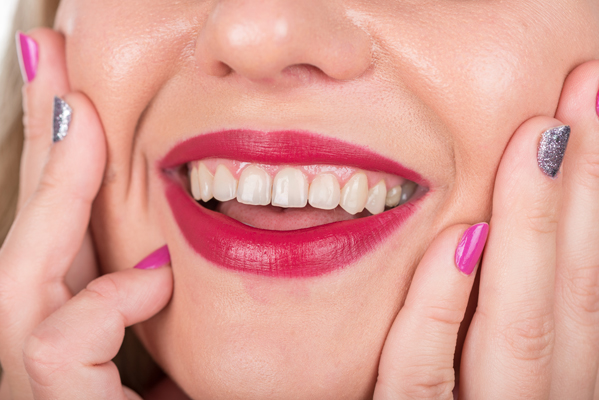
You might want to consider dental bonding if you have discolored or chipped teeth. The procedure involves applying a natural color resin to one or more teeth. The goal is to improve flaws to give you a better smile. Issues that the dentist can correct could include stains, chips, broken teeth, and cracks. Dental bonding can bring you a new smile and a better outlook in life.
About the pros and cons
Dental bonding is relatively simple, unlike other dental procedures. Many times, it does not cause pain, and the patient does not need any anesthesia. It also costs less than similar procedures, like crowns and veneers. That makes it a budget-friendly option for improving a smile. Plus, it is useful for minor problems.
Patients who want to recontour or reshape their teeth might choose to bond as well. It is easy and quick. It only takes one office visit. Many procedures take multiple appointments. Still, there are a few drawbacks to stay aware of.
For instance, it can repair stains on the teeth, but the resin might stain too. That means the patient will need to avoid some kinds of beverages and foods. Plus, veneers and crowns can resist breakage better. These restorations might last longer than bonding does as well.
How the procedure works
First, patients should find an experienced dentist. Next, the patient will need to have a consultation with the dentist. That way, the patient can see if they are the right candidate. The dentist does not need to use anesthesia for the patient for pain before placing the bonding. To begin, the dentist will start with a shade guide to find the right color match. Next, the tooth has to get roughened up, allowing the bonding to adhere better.
The dentist will place a liquid over the tooth. That is a bonding agent, so the material adheres better. Composite resin goes over that as well. The dentist can shape and mold it so that it matches the teeth’s shape. Finally, they can use a light to harden the material.
Caring for the bonding
Care for the material is the same as for other teeth. That includes flossing and brushing regularly. It is good to avoid beverages and foods that cause stains, like tea and red wine. Patients should also avoid tobacco products to prevent yellowing. To keep the bonding free of breaks or chips, patients should avoid hard candies or foods. Chewing ice is not a good habit either.
With the right care, bonding can last for several years, depending on where it is. The way the teeth meet when biting down is also a factor. Bonding near the tooth’s edge might be more likely to break because chewing and biting cause extreme force. Plus, hard foods might cause bonding to weaken.
Benefits of dental bonding
Dental bonding is a common treatment for stained and damaged teeth. It provides cosmetic, functional, and oral health advantages. Every individual has a reason for choosing this type of dental restoration. One can consider the following benefits:
- It improves the tooth’s function, size, and shape. Damaged teeth are difficult to use for eating and speaking. Chewy food becomes almost impossible to break down. Dental bonding can fix this problem. The dentist will apply the composite resin material to the affected teeth. Shaping and polishing it will make the treated tooth blend with the rest of the natural teeth.
- It improves oral health and adds more protection to the teeth. A tooth infection can develop if the smaller issues do not get treatment. Dental bonding repairs the damaged tooth. The composite resin can protect the tooth as well. This can help reduce the risk of cavities and enamel erosion. Dental bonding can last for a decade with proper care and maintenance.
- It removes stains and improves the tooth’s appearance. Dental staining can result from smoking and consuming dark-colored foods or drinks. It is better to choose clear beverages and foods to minimize the risk of discoloring the bonding material. The patient’s teeth do not need much preparation before the treatment. Dental bonding is a quick way to remove dental stains. It can cover hairline fractures and chipped areas as well.
Choose the right dental bonding today
If you think dental bonding is right for you, you should make an appointment with your dentist. The dentist can help you decide if you are the right candidate. Making an appointment today lets you gain more information. Then you will be well on your way toward having a better smile.
Request an appointment here: https://gkdentaloffice.com or call GK Dental PC at (617) 826-6075 for an appointment in our Everett office.
Check out what others are saying about our dental services on Yelp: Dental Bonding in Everett, MA.
Recent Posts
Dental bonding is a popular cosmetic option used to fix chipped, stained, or uneven teeth. However, cosmetic and general dentists often offer an alternative option in the form of veneers to improve the shape and color of the teeth. While both options help create a more aesthetically pleasing smile, they are different in important key…
Dental bonding is a great way to address oral health and cosmetic issues like damaged enamel and chipped or cracked teeth. Read on to learn more about dental bonding. Dental bonding is minimally invasive and considered safe for patients.Every patient should evaluate all available types of restorative dentistry to address their specific oral health concerns…
You might want to consider dental bonding if you have discolored or chipped teeth. The procedure involves applying a natural color resin to one or more teeth. The goal is to improve flaws to give you a better smile. Issues that the dentist can correct could include stains, chips, broken teeth, and cracks. Dental bonding…
Dental bonding is a non-invasive treatment that has cosmetic and therapeutic uses. It involves applying composite resin – made with mixtures of plastic and glass – to the patient’s tooth. These composites can be shaped and molded as desired, allowing the dentist to address issues like decay or damage to a tooth. Composite resins can…