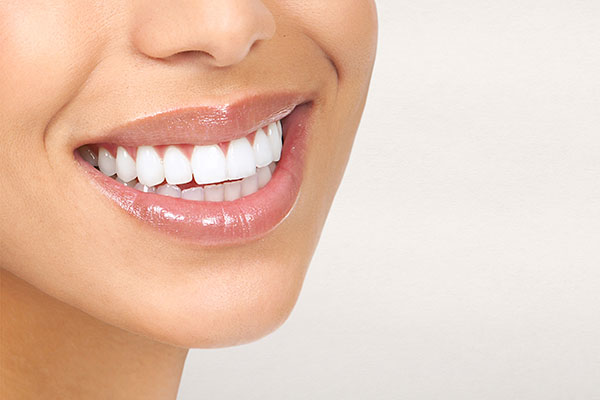
Dental bonding is a perfect idea to try if you require minor smile enhancements. Dental bonding is a fast, simple, and affordable way to enhance the appearance of your teeth while still protecting them from more damage if they have a chip or crack. This article talks about what makes dental bonding a great choice as a dental restoration procedure.
An overview of dental bonding
Dental bonding is a restorative dentistry technique that involves applying a tooth-colored composite material to a tooth, shaping it, hardening it, and polishing it. Since the substance adheres to the tooth, it is called bonding. Dental bonding is suitable for minor dental issues, including repairing a chipped or missing tooth or closing small spaces between teeth. Since it is more aesthetically pleasing than silver fillings, the composite in dental bonding is often used as a tooth-colored filling for minor cavities.
The bonding procedure
The dentist will first use a mild phosphoric acid to roughen and etch the surface of the teeth, which will help the adhesive agent adhere. This procedure is not painful. The putty-like bonding agent is then molded and sculpted on the tooth's surface. To harden and set the substance, the dentist will use a special light. For an appealing finish, the material is brushed and buffed.
Patients should note that, while bonding has many uses, it is most effective when dealing with minor dental problems. The dentist may use this procedure to restore a tooth's stability, function, and appearance in these cases. On the other hand, more serious dental problems may demand a different approach to obtain the best possible outcomes.
The natural teeth structure is preserved
Dental bonding remains one of the most cost-effective and conservative tooth restoration choices. Other treatments, such as porcelain veneers, necessitate removing part of the natural tooth structure to ensure the proper placement. The tooth structure is preserved with dental bonding.
As mentioned earlier, the dentist will roughen the surface of your teeth before the bonding process to allow the resin substance to bind correctly to your tooth. Compared to other choices, this has a much lower effect on the tooth structure. Patients may also notice reduced tooth sensitivity as a result.
Aesthetically appealing results
A dental restoration should serve two purposes: restore the tooth's health and function and produce stunning results that complement your smile. When fixing one of the front teeth that are noticeable when smile, the second purpose is especially significant. For the bonding procedure, the dentist will use the best composite resin materials. These products are designed to imitate many of the properties of natural teeth, resulting in a stunning cosmetic result that would go unnoticed by most people.
Since dental bonding requires some creative ability for the best aesthetic outcomes, it is critical to find a dentist familiar with the technique. Patients can ask to see before and after pictures of the dentist's former dental bonding patients to know what to expect.
In conclusion
Although dental bonding is not suitable for every case, it can be a simple and reasonably inexpensive way to enhance your smile. Reach out to the dental office to learn more about its applications.
Request an appointment or call GK Dental PC at 617-826-6075 for an appointment in our Everett office.
Recent Posts
Dental bonding is a popular cosmetic option used to fix chipped, stained, or uneven teeth. However, cosmetic and general dentists often offer an alternative option in the form of veneers to improve the shape and color of the teeth. While both options help create a more aesthetically pleasing smile, they are different in important key…
Dental bonding is a great way to address oral health and cosmetic issues like damaged enamel and chipped or cracked teeth. Read on to learn more about dental bonding. Dental bonding is minimally invasive and considered safe for patients.Every patient should evaluate all available types of restorative dentistry to address their specific oral health concerns…
You might want to consider dental bonding if you have discolored or chipped teeth. The procedure involves applying a natural color resin to one or more teeth. The goal is to improve flaws to give you a better smile. Issues that the dentist can correct could include stains, chips, broken teeth, and cracks. Dental bonding…