Full Mouth Reconstruction Options for Missing Teeth
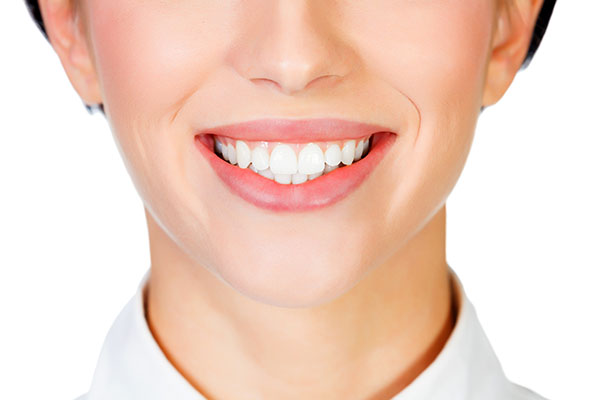
The term full mouth reconstruction describes treatments that aim at rebuilding all of a person's teeth. These treatments combine cosmetic dentistry procedures with restorative treatments in order to improve the health, look and function of a person's teeth.
When is a full mouth reconstruction required?
A dentist recommends a full mouth reconstruction when a person has multiple dental issues that affect numerous teeth; for example, a person who is missing more than a few natural teeth or someone who has worn down most of their teeth due to grinding them. Others are born with issues that require extensive dental restorations on their teeth like Dentinogenesis Imperfecta, Amelogenesis or Ectodermal Dysplasia.
Popular treatments performed during full mouth reconstructions
Here are some of the more popular procedures that can dentists use as part of a full mouth reconstruction:
1. Dental implants
Dentists often install implants during a full mouth reconstruction treatment. An implant is a rod that a dentist places into the patient's jawbone through surgery. It fuses with the surrounding bone tissue and that process can take up to six months to complete. Once the device is secure, the dentist will attach a crown to it directly or with an abutment.
Implants are one of the popular options for missing teeth due to how similar they are to real teeth. An implant does not need special cleaning and it can last a lifetime when the person brushes and flosses their teeth as recommended by a dentist. Implants also help to prevent bone tissue deterioration. This is one of the side effects of losing a tooth, and implants are one of the few dental prosthetics that address this problem.
2. Dentures
Dentures are a more affordable option when it comes to replacing missing teeth. These devices consist of two major parts: a plastic or acrylic base that rests on the wearer's gums, and artificial teeth that replace the missing ones. Dentures are designed to look like real teeth, making them a good option for anyone looking to improve the appearance and function of their teeth without paying an arm and a leg for it. Dentures can also be used by those who have only lost a few of their teeth. These are called partial dentures.
3. Dental bridges
Dental bridges are a practical way to replace missing teeth that are right next to each other. Just as the name implies, the bridge covers the gap created by the missing teeth. The dentist anchors the bridge by placing crowns on the teeth that are closest to the hole created by the missing tooth on both sides. Bridges look natural when installed and they restore the function of the lost teeth. A dental bridge also prevents the remaining teeth from moving into the position of the lost tooth, which typically leads to alignment issues.
Explore your missing teeth replacement alternatives with us
At GK Dental PC we regularly perform full mouth reconstructions on patients dealing with a variety of dental issues. Stop by our clinic and explore your options today.
Let's get started…
Request an appointment here: https://gkdentaloffice.com or call GK Dental PC at (617) 826-6075 for an appointment in our Everett office.
Check out what others are saying about our services on Yelp: Read our Yelp reviews.
Related Posts
A smile makeover can help improve your smile and your life. It is a collection of treatments capable of enhancing the appearance and function of your mouth. You may not notice the need for this transformation. If you want to know if you need a smile makeover, here are the three signs to watch out…
A smile makeover is performed primarily to address issues that affect the appearance of your teeth, but they also often come with restorative treatments. Many of the treatments used for cosmetic dentistry, like the placement of crowns, also provide restorative benefits. A smile makeover consists of multiple cosmetic treatments performed to restore the way a…
A smile makeover is a series of cosmetic dental treatments performed primarily to address cosmetic issues affecting your teeth. It is a unique experience for each patient since treatments are selected based on their individual needs. While the main purpose of a smile makeover is to improve the way your smile looks, many of the…
A dental crown offers a durable way to protect a damaged tooth while restoring a natural look and full function to a patient's smile. This long-term solution covers a vulnerable area to prevent further breakage or decay. While these restorations are incredibly strong, they require specific care to remain in top shape for a decade…