Clear braces have become an increasingly popular alternative to conventional metal braces. Both types of braces serve the same purpose of realigning and straightening crooked teeth.
Here is a look at the differences between the two types of braces.
If You are Concerned With Image, opt for Clear Braces
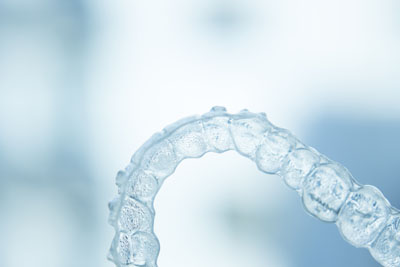
Those who are concerned with how noticeable their braces are will find the ceramic variety, also known as clear, is more visually pleasing. The ceramic variety has brackets made with either ceramic, porcelain or plastic. These brackets can be translucent or colored to match your teeth. Ceramic braces blend in quite nicely with the teeth. The days of ceramic braces requiring a metal wire are long gone. Nowadays, even this wire can be made with translucent material. Alternatively, traditional metal braces are quite noticeable when one talks, smiles or laughs. If you suspect you will be self-conscious about your smile, regular metal braces are not ideal.
Durability
Metal braces are revered for their durability. Though clear braces are certainly tough, they are made from a more brittle material. This material has the potential to crack or chip. Those who play sports or engage in other activities in which contact with the jaw or mouth is possible will find traditional metal braces to be the better option as it will greatly reduce the possibility of potentially costly repairs.
Sensitivity Issues
Some patients state the ceramic material bothers the inner portion of their lips. This is potentially due to the interaction of the material within the mouth or that ceramic brackets are larger than conventional ones. Though this discomfort is rare, it might be an issue if your mouth is sensitive.
Do Not Believe the Hype About Staining
There are plenty of articles on the web that state staining is a problem with ceramic braces. Though the original ceramic braces did stain, especially when made with cheap plastic, today's ceramic braces do not have a similar issue. Yet it is possible for ligatures to stain. These are the small rubber bands that hold the wire along the braces in place. Such ligatures are used on both ceramic braces as well as metal braces.
The Issue of Treatment Time
Teeth move a bit more freely when metal braces are in place so less treatment time is required. Braces function by applying pressure to brackets that move teeth across the arch wire. The braces must apply ample force in order for the teeth to move. Metal brackets have minimal friction against the metal wire compared to the ceramic and plastic varieties.
Consider How Much Correction is Required
Conventional metal braces can withstand more pressure than the newer ceramic variety. This is why metal braces are optimal for severe corrections. Ceramic braces will likely require more time to align to the teeth as adjustments must be a bit smaller.
A smile makeover can help improve your smile and your life. It is a collection of treatments capable of enhancing the appearance and function of your mouth. You may not notice the need for this transformation. If you want to know if you need a smile makeover, here are the three signs to watch out…
A sudden toothache, broken tooth, or swollen gum can turn an ordinary day into a stressful situation, making an emergency dentist an important resource. Some dental concerns can wait for a scheduled visit, but others need fast care to relieve pain and protect the tooth. Knowing what counts as a dental emergency can help patients…
A TMJ dentist can help patients understand jaw pain, clicking, stiffness, and other symptoms linked to the temporomandibular joints. These joints connect the lower jaw to the skull and support chewing, speaking, and yawning. When the joints, muscles, teeth, or jaws do not work together well, patients may develop discomfort that affects eating, speaking, and…
A smile makeover is performed primarily to address issues that affect the appearance of your teeth, but they also often come with restorative treatments. Many of the treatments used for cosmetic dentistry, like the placement of crowns, also provide restorative benefits. A smile makeover consists of multiple cosmetic treatments performed to restore the way a…
 Clear
Clear